Quiet Materials, Lasting Grace
Today we explore Choosing Materials for Subtle Elegance: Oak, Limestone, and Textured Plaster, focusing on how this restrained trio can calm a space while enriching it with depth, light, and touch. We will translate grain, porosity, and hand-worked surfaces into confident specifications, share field-tested installation insights, and demystify maintenance so patina feels like a reward, not a risk. Bring your questions, preferences, and constraints; together we will turn nuance into practical choices you can trust, from first sample to lived-in, time-softened home.
Oak That Whispers Warmth
Oak anchors interiors with a quiet, human scale: its grain reads gently across floors and cabinetry, softening acoustics and guiding the eye with subtle rhythm. The right cut, grade, and finish decide whether light glides or settles, whether tones lean honeyed or cool. We will examine how oak converses with limestone and textured plaster, balancing contrast against cohesion. Expect guidance on species options, acclimation, finishing strategies, and long-term care, so your surfaces age gracefully and continue to invite bare feet, unhurried mornings, and relaxed evenings for many seasons.

Species and Cut
European oak’s consistent tannins and medullary rays create calm patterns, while American white oak brings slightly cooler tones and pronounced grain that reads clearly beneath matte finishes. Rift or quartered cuts reduce movement and align grain into refined, parallel lines, especially elegant on tall doors or long planks. Choose grades with knot character only where you want visual punctuation; otherwise, select cleaner boards to let limestone and plaster carry the texture conversation without visual competition.

Finish and Sheen
Hardwax oils preserve tactile warmth, allowing the grain to breathe and develop a soulful, lived-in patina, while matte waterborne finishes offer practical protection with minimal reflection. Subdued sheen prevents glare near pale limestone, maintaining consistent light across surfaces. Consider subtle whitewashing to neutralize yellow undertones if pairing with cool plaster, or warm-toned oils where limestone runs creamy. Always test with adjacent materials, since undertones shift under different bulbs and daylight conditions, particularly in north-facing rooms and transitional hallways.

Limestone: Light, Shadow, Serenity
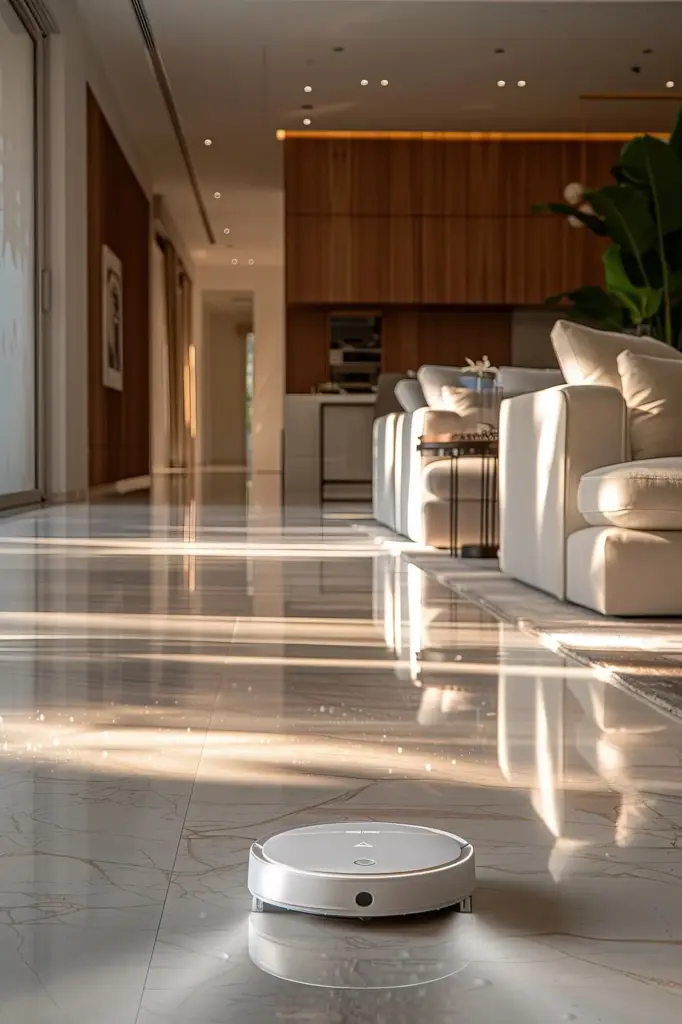
Limestone calms rooms with velvety reflection and timeless mineral presence, shifting delicately as sunlight travels. Its fossils, shells, and chalky matrix form an understated narrative underfoot and across hearths, vanities, and thresholds. Finish choice sets the tone: honed glows quietly, brushed invites touch, and tumbled nods to history without fussiness. We will weigh slip resistance, radiant heat, edge profiles, and sealing strategies, balancing practicality with poetry. Expect honest advice on color, vein character, and patterning that flatters oak grain and invites textured plaster into balanced conversation.
Textured Plaster with Purpose
Textured plaster invites fingertips and softens echoes, wrapping rooms in a breathable, light-responsive skin that changes throughout the day. Lime-based blends mineralize into the substrate, offering depth without gloss; clay variants temper humidity and deliver a comforting, earthy calm. Application method is craftsmanship-forward: sample passes, layering, and timing decide how light gathers in hollows. We will consider corners, niches, and repairability, ensuring daily life feels welcome. Expect tips on undertones, pigments, and sheen so surfaces glow without stealing attention from oak and limestone.

Composition and Breathability
Lime plasters carbonate over time, becoming part of the wall while allowing vapor to pass, which helps regulate interior comfort and resist surface condensation. Clay options similarly balance humidity, lending a soft, grounded presence ideal for bedrooms and reading corners. Choose clean, low-sheen compositions that partner gracefully with matte oak and honed stone. Where splashes happen, micro-silicate additives or soap finishes add resilience without plastic shine. Always sample on your actual substrate; absorption and color shift can surprise even seasoned eyes.

Tactility and Light
Subtle trowel marks catch sunlight in delicate ribbons, animating walls from dawn to dusk without busying the space. Keep texture shallow where artwork hangs, deeper near entry niches or hallways to invite touch. Pigment lightly to complement oak’s undertones and limestone’s mineral cast; excessive color can flatten depth and overshadow natural materials. Test breadths under your project’s actual luminaires; wall washers may exaggerate ridges, while diffused lighting yields a velvety glow that pairs beautifully with brushed stone and matte wood finishes.
Composing the Trio
Bringing oak, limestone, and textured plaster into one room involves choreography, not matching. Undertones must agree, proportions should feel inevitable, and light needs thoughtful direction. Start with your quietest surface, then layer contrasts sparingly to create depth without agitation. Rehearse with large samples, checking morning and evening illumination. Let movement live in one plane while the others rest. We will explore balancing warm and cool notes, calibrating sheen, and aligning joints so the space feels composed, personal, and effortlessly welcoming.
Substrate and Climate
Acclimate oak to site humidity and temperature, recording moisture readings to avoid seasonal gaps or cupping. Verify floor flatness before committing to large limestone formats; small deviations magnify with big tiles. Plaster needs sound, dust-free bases with appropriate primers to bond and breathe. Coordinate radiant heat cycles before installation, and monitor slab moisture with reliable tests. These quiet precautions rarely appear in photographs, yet they decide whether your serene surfaces remain serene through winters, summers, and the everyday rhythms of living.
Details at Junctions
Transitions reveal craft. Use slim shadow gaps at plaster-to-stone or plaster-to-oak interfaces for clean lines that tolerate movement. Align thresholds with door stops so changes feel intentional, not leftover. Consider color-matched sealants where micro-movement is expected, preserving the crisp look without brittle joints. On stairs, wrap oak nosings lightly and choose stone treads with eased edges for comfort. Such small decisions compound into a room that reads calm from every angle and remains forgiving during natural expansion and contraction.
Testing, Mockups, and Punch Lists
Full-size mockups help you see undertones, sheen, and texture in real light, avoiding surprises after large commitments. Test sealer behavior on limestone leftovers and observe color shifts over several days. Create a punch list that covers corners, reveals, and edge terminations before final coats. Photograph trowel patterns during plaster samples for repair reference later. Encourage installer notes and keep them with finish schedules. Collaboration turns craft into consistency, ensuring the gentle elegance you envisioned arrives intact and endures daily use gracefully.
Care, Patina, and Longevity
With measured care, oak, limestone, and textured plaster evolve beautifully, gathering character rather than damage. Routine habits—felt pads, mild soaps, breathable sealers, and gentle touch-ups—keep surfaces calm and honest. We will outline realistic cleaning rhythms, seasonal checks, and refresh strategies that respect original craftsmanship. Patina becomes a personal archive of mornings, gatherings, and quiet afternoons, not a list of worries. Share your experiences, questions, and photographs; our community thrives on practical knowledge, helping each other maintain welcoming spaces that age with dignity and heart.
All Rights Reserved.