Quiet Brilliance: Lighting That Lifts Every Room

Today we explore lighting strategies that elevate spaces without flash, favoring calm layers, nuanced contrast, and materials that glow rather than glare. Expect practical moves—bounce, shield, dim, and tune—alongside stories of rooms transformed by restraint. We will balance beauty and wellbeing, respect energy, and reveal how humble fixtures, thoughtful placement, and sensitive controls can coax atmosphere from any interior without spectacle, allowing people, textures, and daylight to remain the true stars of everyday life.

Start With Soft Foundations

The most welcoming rooms feel lit from within, not flooded. Begin by establishing a quiet base of light that smooths corners, opens ceilings, and brightens walls without calling attention to any single fixture. Indirect sources, shielding, and generous diffusion turn small outputs into large comfort. This approach lowers eyestrain, reduces harsh reflections on screens and art, and creates a gracious stage for task and accent layers to perform effortlessly together throughout the day and night.

01

Bounce, Don’t Blast

Aim light toward ceilings and upper walls so it returns to the room softened, like daylight on an overcast morning. A simple uplight behind a plant can dissolve gloom in a hallway. In one dining nook, redirecting a pendant’s beam upward transformed tense glare into a cloudlike canopy, making faces warmer and conversation easier. Bounced light also disguises lower ceilings, encouraging taller perception with minimal power and no distracting sparkle in the line of sight.

02

Cove Lines With Purpose

Slim, hidden linear LEDs tucked into coves or shelves can outline volumes with calm radiance. Keep brightness even, avoid hot spots with good diffusion, and select a dim-to-warm option for cozy evenings. In a compact living room, one continuous cove replaced three downlights, eliminating scallops on the sofa and silvery reflections on framed photos. When the line is uninterrupted and tuned thoughtfully, the architecture whispers, while the room feels quietly expansive and welcoming.

03

Wall Washing That Calms

Asymmetric wall washers lift vertical surfaces, making the whole room appear brighter at lower overall output. That means lower fatigue, better reading of art textures, and less glare on tables. A narrow hallway lit by gentle wall washing can feel gallery-like instead of tunnel-like. Keep the beam just off the ceiling line, use consistent spacing, and choose warm, high-CRI sources. The result is serenity, legibility, and depth without a single harsh spot in sight.

Layer for Depth and Clarity

Elevated spaces rely on a trio: ambient for comfort, task for precision, and accent for character. The magic lies in their harmony, not their wattage. Maintain a subtle hierarchy so eyes relax, faces glow, and objects read naturally. Aim for balance rather than spectacle, using dimmers and scenes to adapt to cooking, reading, hosting, or winding down. Good layers invite movement, frame moments, and let textures surprise gently, never shouting for attention or tiring viewers.

Surfaces, Colors, and the Dance of Light
Light does not exist alone; it is completed by surfaces. Matte walls calm reflections, warm woods glow at lower outputs, and cool stones love grazing that reveals grain. Choose finishes with intention so illumination reads as texture rather than sheen. Matching color temperature to material mood prevents discord. With the right pairings, small luminaires feel generous and paint colors appear richer, proving that material choices often decide whether a room feels cozy, crisp, or confusing.

Human Rhythms, Healthier Nights

Light influences sleep, focus, and mood. Support mornings with bright, diffuse vertical light that wakes gently, and respect nights with dimmer, warmer scenes that calm the nervous system. Avoid ice-blue glints near bedtime and steer clear of glare at any hour. Personal dimming, zone controls, and thoughtful placement make wellness easy to live with. When light respects biological cues, rooms feel kinder, and people feel better, even when the fixtures themselves remain modest and discreet.

Morning Bright Without Harshness

Open shades and bounce light onto walls to deliver vertical brightness that signals day without stabbing the eyes. Pair indirect ceiling glow with a shaded lamp near the breakfast table for clear reading and gentle faces. In one kitchen, adding a single under-cabinet strip made coffee making safer and quicker, while keeping the island illuminated mainly by reflected light. You feel awake but not jolted, alert yet relaxed, and ready to move into the day.

Evening Wind-Down Scenes

At dusk, reduce intensity and shift warmer to protect melatonin. Dim-to-warm lamps, low-level cove glow, and bias lighting behind screens help eyes relax. Replace overhead glare with shaded pools and gentle wall washers. A living room designed this way invites conversation and soft music instead of scrolling. Set a one-touch scene for story time, another for quiet dinners. The ritual of dimming becomes an exhale, signaling the body that night has arrived gracefully and safely.

Sleep-Friendly Bedrooms

Place light low and indirect. Toe-kick strips and under-bed guides on motion sensors prevent stubbed toes without blasting the room awake. Bedside lamps with opaque shades direct beams onto pages, not partners. Keep color temperatures warm and lumens modest after sunset. In a small apartment, a rechargeable sconce freed the headboard from cables and glare, turning late-night reading into a hush. Sleep comes easier when light is considerate, quiet, and always aimed with kindness.

Shadows, Contrast, and Visual Comfort

{{SECTION_SUBTITLE}}
Modeling Faces Kindly

Side and slightly above is the sweet spot for flattering faces. Two soft sources at roughly forty-five degrees reduce shadows under eyes and soften jawlines, perfect for vanities and video calls. Opaque shades or frosted glass keep sparkle out of pupils. In one workspace, repositioning a desk lamp and adding a small bounce panel lifted morale immediately. When people look good, they feel good, and the room’s character rises without any increase in raw brightness.

Vertical Light for Orientation

Humans read walls to sense brightness and scale. Provide gentle vertical light along corridors and near transitions so movement feels natural and safe. A trio of low-output sconces can outperform a grid of downlights, because the eye perceives lit surfaces as brighter than lit floors. Add a night mode for hallways with minimal output, just enough to guide footsteps. Clarity arrives without spectacle, and navigation becomes intuitive, inclusive, and quietly reassuring for every age.

Smart Control, Efficiency, and Sustainability
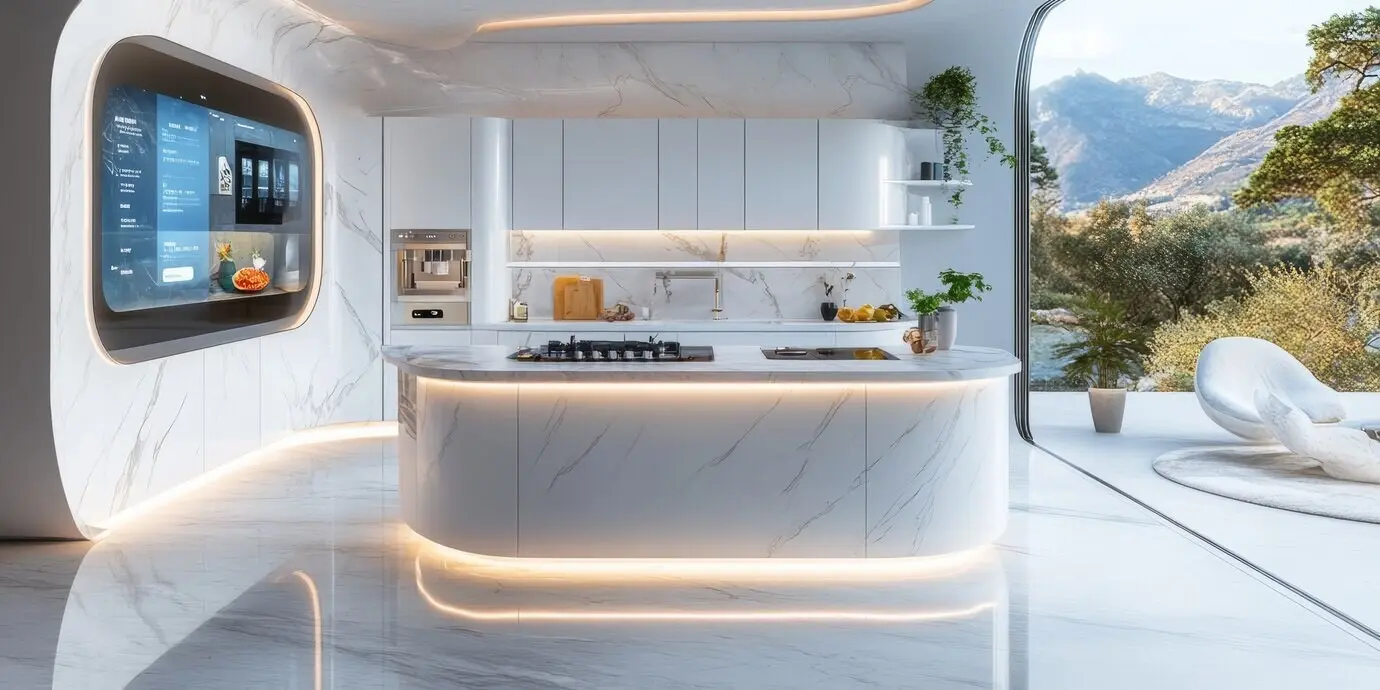
Gentle lighting benefits from thoughtful controls. Simple dimmers, scene stations, and quiet automation turn intention into habit while saving energy. Match control zones to real life: cooking, reading, hosting, and resting. Use sensors sparingly and tune delays to feel human. Specify efficient, repairable fixtures with honest color rendering and long lifespans. Lower watts can feel luxurious when guided by good optics. Sustainability here is not austerity; it is comfort achieved with grace, restraint, and care.

Dimmers and Scenes That Serve Life

Create a handful of scenes that match routines: bright and crisp for breakfast, focused for meal prep, conversational for guests, and hushed for evening reading. Name them clearly so everyone uses them. In one family home, four scenes replaced a dozen switches, ending constant fiddling. The reward was consistency and calm. Dimmers extend lamp life, reduce energy, and let texture surface at lower levels, proving control can be the most powerful fixture you install.

Sensors That Support, Not Dictate

Occupancy and vacancy sensors should feel considerate, never bossy. Set generous timeouts, avoid placing sensors where pets or curtains trigger them, and bias toward manual-on in restful spaces. Daylight sensors can trim output quietly during bright hours, preserving mood while saving power. A small studio cut energy use dramatically by pairing window light with tunable trims, yet guests noticed only comfort. Technology succeeds when it disappears, leaving behind a room that simply feels attentive and calm.

Longevity and Maintainability

Choose fixtures with replaceable components, reputable drivers, and documented color consistency. Favor manufacturers who publish photometrics and support repairs. Keep spare lamps labeled by color temperature and output to avoid mismatched replacements. In a boutique, standardized modules kept the look even after years of updates. Maintain open access to coves and junction boxes for painless tweaks. Durable, serviceable systems prevent waste, protect investment, and keep the experience coherent long after the initial glow of installation.

Small Spaces, Rentals, and Quick Wins

You do not need demolition to gain atmosphere. Portable fixtures, plug-in sconces, and adhesive strips can layer light elegantly without drilling or rewiring. Work with daylight, mirrors, and paint reflectance to multiply modest outputs. Keep cords tidy, color temperatures consistent, and brightness gentle. Test scenes at night and morning. Invite friends to react; the best adjustments are often obvious when lived. Incremental steps accumulate into generous comfort, proving restraint can be the fastest path to transformation.
Zezunukalipeke
Privacy Overview

This website uses cookies so that we can provide you with the best user experience possible. Cookie information is stored in your browser and performs functions such as recognising you when you return to our website and helping our team to understand which sections of the website you find most interesting and useful.